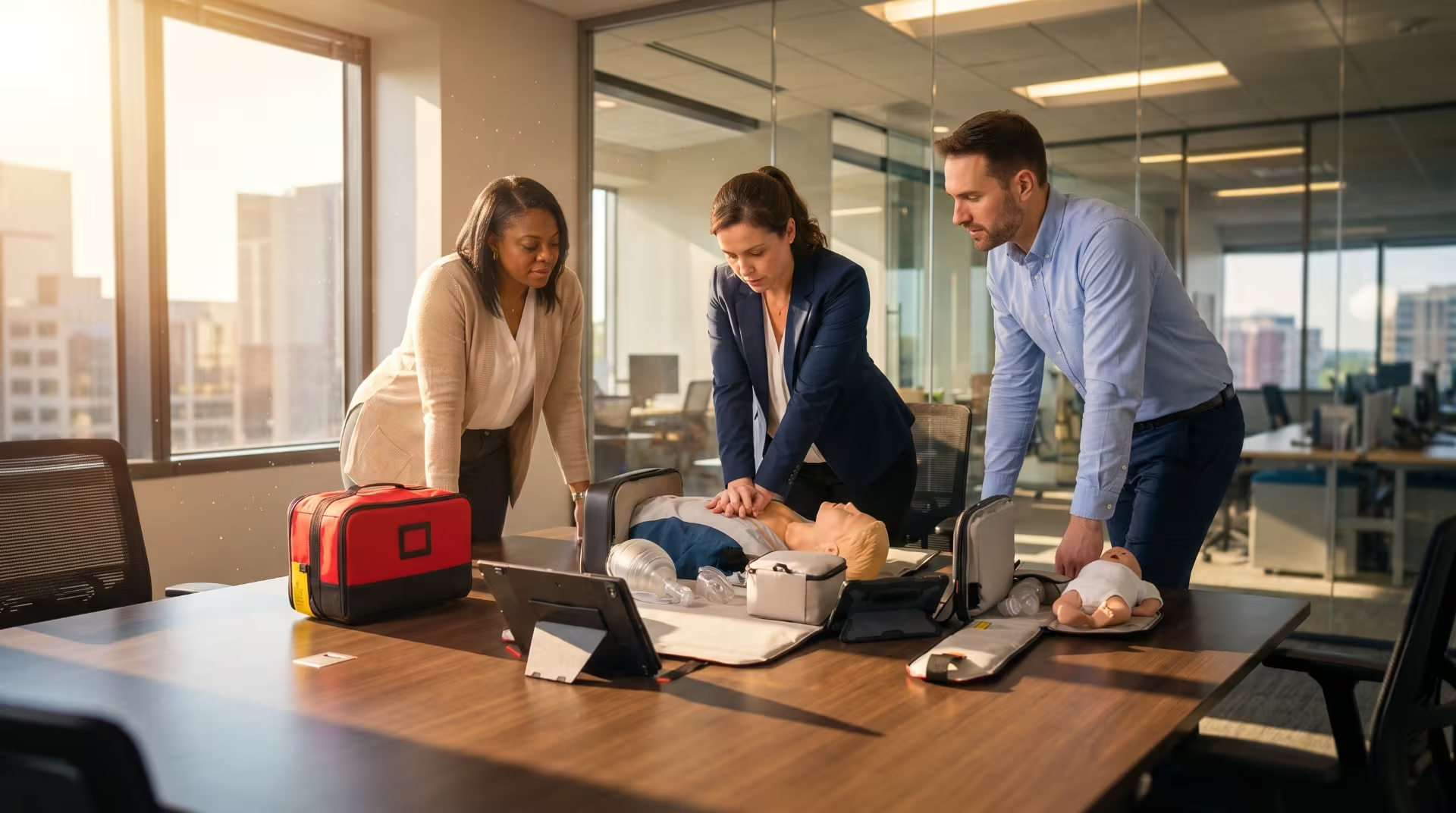
On-site Go-Kit session
We set up a skills station on a conference table and check people off between meetings.
Best for: a single office with a floor or two of staff.

Corporate & office employers
Your team completes AHA-aligned coursework online. We bring the skills station to your floor and check people off one at a time, between meetings. Everyone walks away with a nationally recognized AHA eCard.
What your staff receive
Regulatory. OSHA's general industry standard, 29 CFR 1910.151(b), states that in the absence of an infirmary, clinic or hospital in near proximity to the workplace used for treating all injured employees, a person or persons shall be adequately trained to render first aid. How that applies depends on your facility and response times, but for most office employers it means having trained people on site — not none.
Practical and cultural. If you have an AED in the lobby, someone needs to be confident enough to use it; an unstaffed AED is a compliance artifact, not a safety measure. And CPR certification is one of the few benefits that costs very little, applies to everyone regardless of role or seniority, and is genuinely useful outside work.
The reason it usually doesn't happen is the format. A traditional class is a full day, off-site, for a handful of volunteers. Managers won't release people, the sign-up sheet stalls at four names, and the plan quietly dies. CPRCL removes the day: coursework is done individually online whenever people have twenty minutes, and we come on site with the Go-Kit to run one-on-one check-offs. Most people are back at their desk in about fifteen minutes.
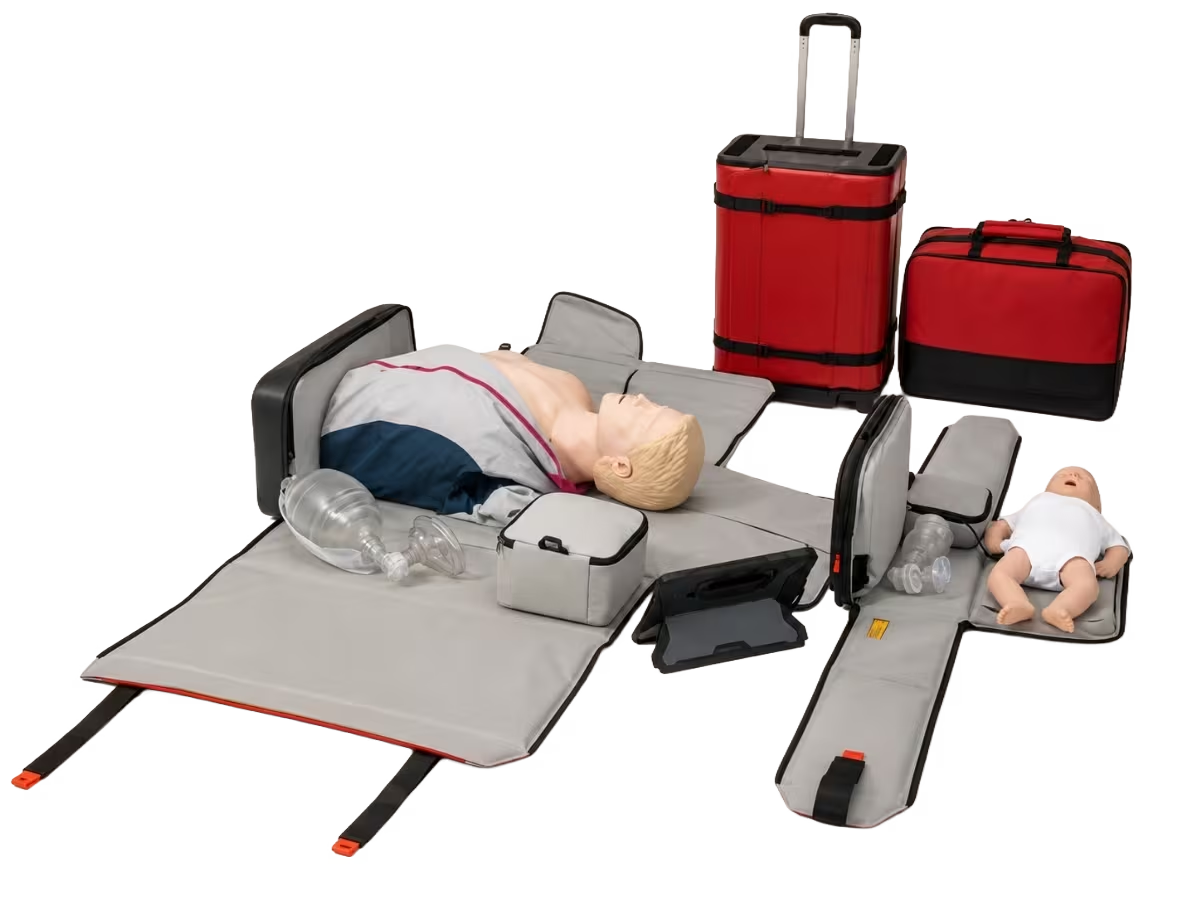
Official AHA-aligned modules, done between shifts rather than in a booked-out training day.
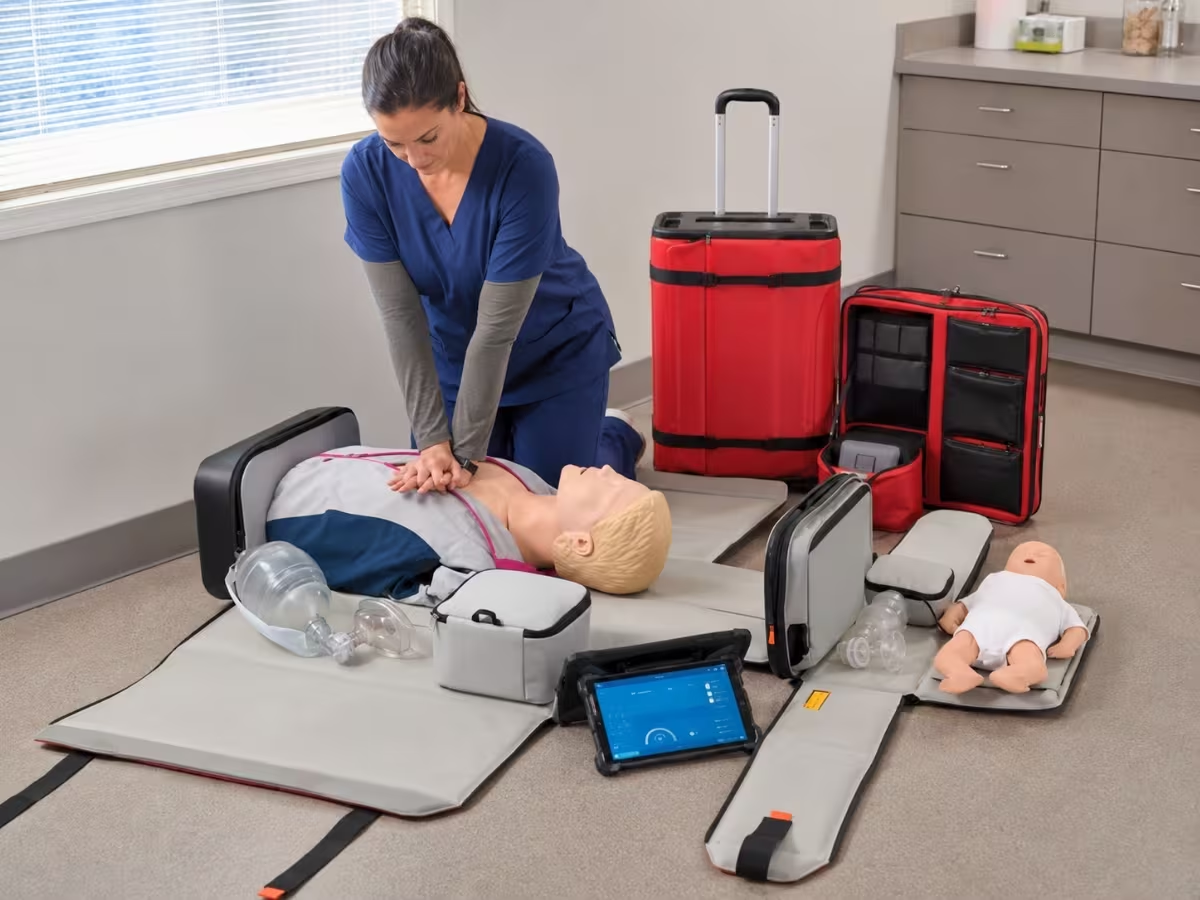
02
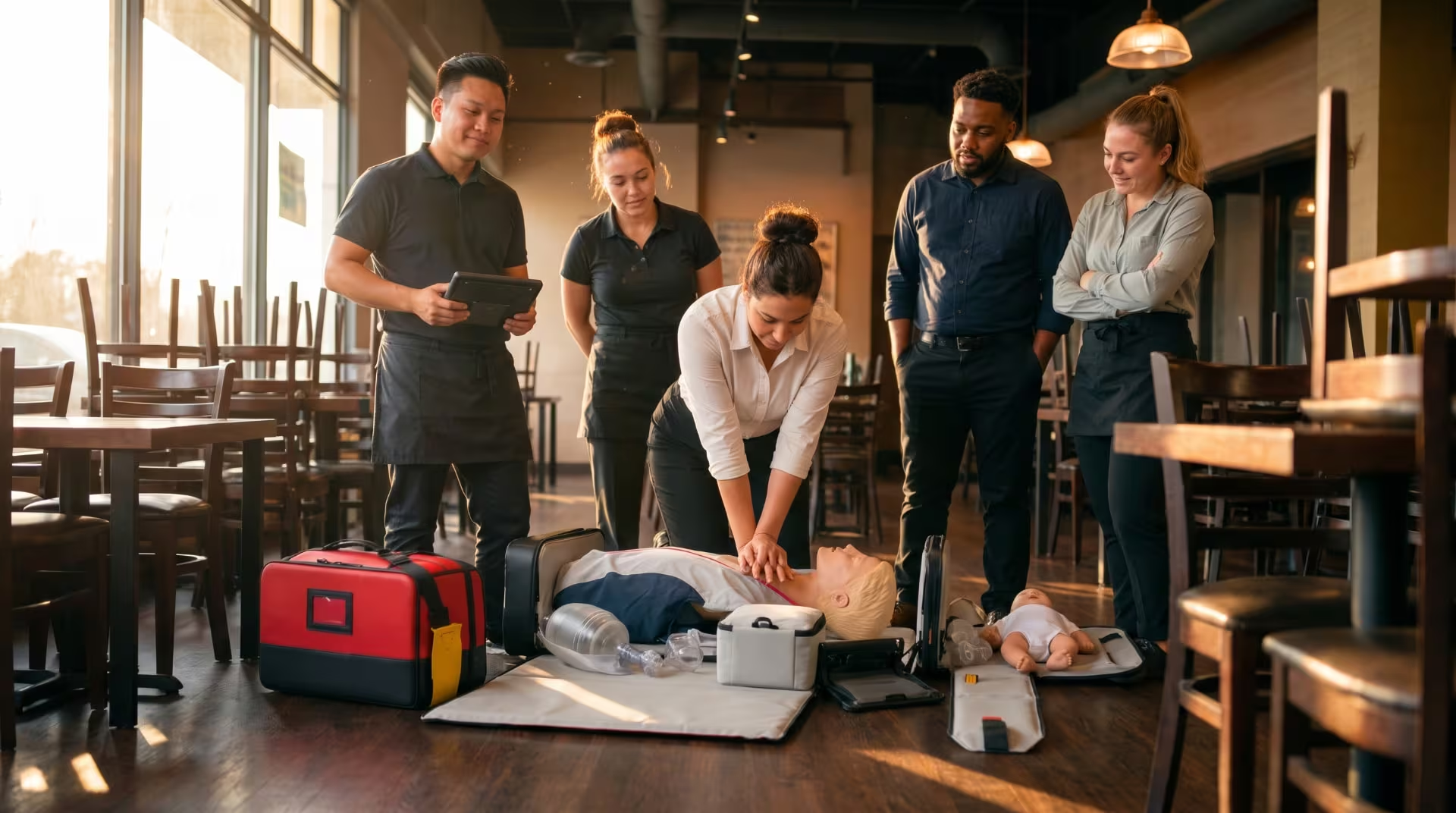
The Go-Kit opens on a table, a mat or the floor — adult and infant manikins, bag-valve masks, and live compression-rate feedback on a tablet.
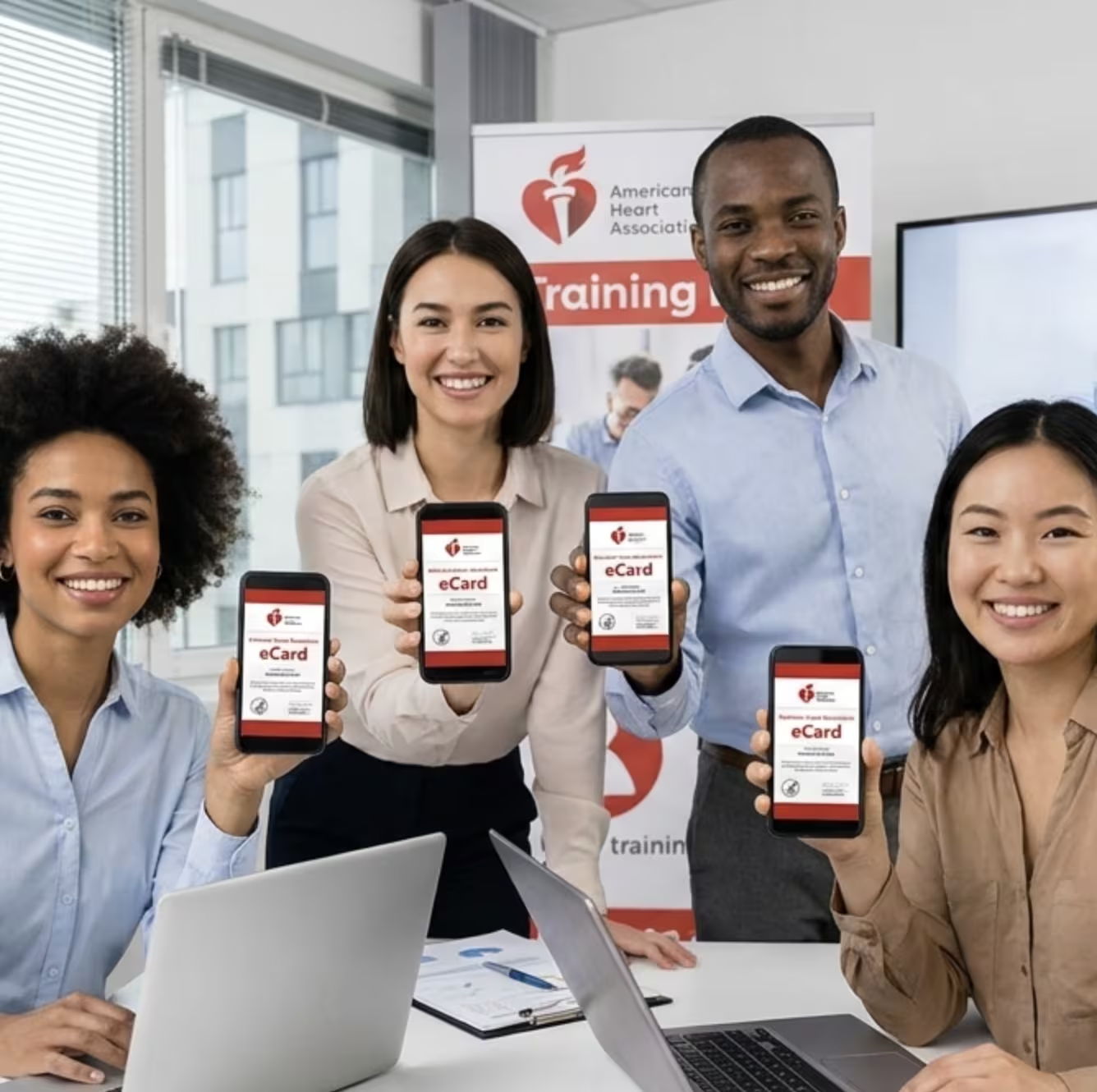
03
Issued individually and verifiable, with a roster of who is current and renewal reminders for what is coming due.
Setup is one conference room and one table, with no special requirements. People book a slot the way they'd book a room, and walk-ups work fine. The course is Heartsaver CPR, AED & First Aid — the right level for non-clinical staff — and everyone receives an individual, nationally recognized AHA eCard valid for two years.
You can certify eight people or eighty. The format doesn't change; only the number of slots does.
We set up a skills station on a conference table and check people off between meetings.
Best for: a single office with a floor or two of staff.
Buy a block of certifications and redeem them at any CPRCL location as people come due.
Best for: employers with more than one site.
Group pricing starts as low as $99 per person for on-site certification and $89 per person for bulk license packs, with volume discounts that scale with your headcount. Get your custom quote →
| Course | Who typically needs it | Renewal |
|---|---|---|
| Heartsaver CPR, AED & First Aid | Floor wardens and emergency response team members | Every 2 years |
| Heartsaver CPR, AED & First Aid | Reception and front-of-house — closest to the door and to visitors | Every 2 years |
| Heartsaver CPR, AED & First Aid | Facilities, security, and one or two people per floor or department | Every 2 years |
You don't need everyone. Certify anyone who wants it, because uptake is the whole point.
The certification is the small number. Blended learning removes the large one — a full lost day per employee.
No travel, no room booking elsewhere, no half the team out of the building at once.
Nationally recognized AHA eCards with clear issue and expiry dates for every person.
Eight people or eighty — you add slots, not days.
CPR certification applies to everyone regardless of role or seniority, costs very little per person, and stays useful long after the session — at home, on the road, anywhere.
That is why uptake matters more than headcount targets. Make it easy enough and people volunteer, which is exactly what a traditional full-day off-site class prevents.
OSHA 1910.151(b) requires adequately trained first aid personnel when there is no infirmary, clinic or hospital in near proximity used for treating injured employees. Whether your specific site qualifies depends on proximity and emergency response times, so check your circumstances — but most office employers train staff to satisfy it.
Tell us your headcount and your building. We'll come back with slots, a price and a date.
Already have a code from your employer? Sign up for your class →